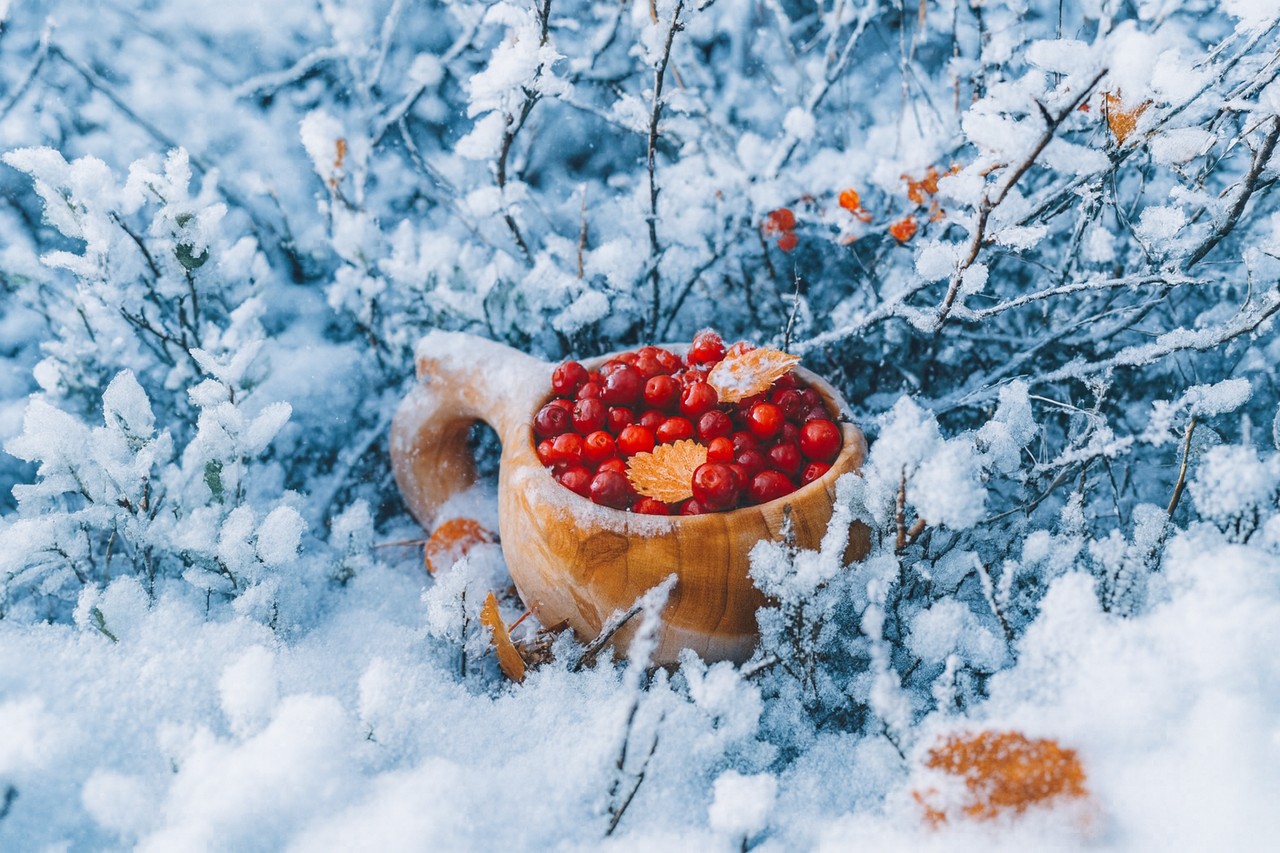
Buying a kuksa in Finland: where to find one and how to avoid imitations
Travelling to Finland and want to bring back a real kuksa? Here is where to find one in Lapland and in Helsinki, how to recognise a hand-carved kuksa, and how to get one delivered without squeezing it into your suitcase.

Anne-Laure Compain

1. The kuksa, the ultimate Lapland souvenir
The kuksa is the traditional wooden cup of Lapland. Carved from birch burl, a rare growth on the tree, it has been used for centuries by the Sami and by everyone who lives outdoors: a hot drink by the fire, a hike, a day of fishing.
It is also one of the most popular souvenirs from Finland. And that is where it gets tricky: alongside real kuksas, you will find many cups that only look the part.
If you are new to kuksas, start with our article What is a kuksa?
2. Where to find a kuksa in Finland?
You can find kuksas almost anywhere travellers go, especially in Lapland. Here is where to look, and what to know before you buy.
2.1 In Lapland: Rovaniemi and Inari
Rovaniemi is the gateway to Lapland: you get there by plane, by train or by car from Helsinki or Oulu. You will find kuksas among the reindeer hides and decorations, on the Christmas market stalls and in the souvenir shops of Santa Claus Village.
Further north, Inari is at the heart of the Sami region of Finland. It is the ideal place to discover Sami handicraft, called duodji, and to see objects made by Sami artisans.

2.2 In Helsinki
Helsinki is far from Lapland: traditional kuksas are rarer and more expensive there. Take the time to look closely at the ones you are offered.

2.3 Quality varies a lot
From one stall to the next, quality varies enormously. On some Christmas market stalls, the cups for sale are made in China.
The Sámi Parliament of Finland also points this out: objects imported from low-cost countries are sold as Sami handicraft, and these imitations damage the image of Sami culture.
The good news: a real kuksa is fairly easy to recognise, as long as you hold it in your hands.
Immerse yourself in the essence of Finnish craftsmanship as you explore the history and making of this traditional cup. By subscribing, you'll receive information about kuksa once a week.
3. How to recognise a real kuksa in your hands?
A kuksa is a handcrafted object, almost a work of art: it is carved with respect for the wood and for tradition. The difference between a cup made by hand and a cup made by machines can be seen, and above all it can be felt. When you hold a real kuksa in your hands, you know.
- The wood grain: under your fingers, you can feel the veins and knots of the birch burl. Each kuksa has its own patterns, no two are alike.
- The weight: a real kuksa is not light.
- The surface: no glossy film, no varnish or resin. Just a thin layer of oil that protects the wood.
- The smell: a kuksa smells of wood and oil. A cup that smells of nothing at all should make you suspicious.
- White marks? No need to worry, it is salt. Traditional kuksas are boiled in salted water to strengthen the wood, and the salt can come through in places. A light sanding with very fine paper, then a little oil, and they disappear.

| Criterion | Hand-carved kuksa | Industrial cup |
|---|---|---|
Wood | Birch burl, unique patterns | Light wood with a regular grain (acacia, bamboo, rubberwood) |
Surface | Thin layer of oil | Glossy film (varnish or resin) |
Weight | Not light in the hand | Light |
Smell | Wood and oil | No smell |
Shape | Each piece is unique | All identical, made by machine or in a mould |
To go further, we have described the 6 signs of a traditional kuksa in detail, with photos.
4. The Sámi Duodji label, a useful guide
In Lapland, you may come across objects bearing the Sámi Duodji label. It is a certification mark that belongs to the Sami people and is managed by the Saami Council. It shows that the object is genuine Sami handicraft, made by a Sami artisan, with traditional materials, techniques and forms.
There is also the Sámi Made label, for products made by a Sami person or a Sami company.
A kuksa without a label is not necessarily an imitation: the Sámi Duodji label is reserved for Sami artisans, and many craftspeople in Finland also carve traditional kuksas. In that case, rely on the signs described above.
5. How much does a real kuksa cost?
An authentic kuksa, handmade in Finland, usually costs between €50 and €200, sometimes more depending on its capacity and finishes, such as a reindeer antler handle.
A cup sold for less than €30 is very unlikely to be a hand-carved kuksa: the wood is rare and a kuksa takes days of work.
In our shop, kuksas range from €79.99 for a small solid birch kuksa of about 15 cl to €299.99 for a large birch burl kuksa of about 25 cl, with a reindeer antler handle.
6. Ordering from Lapland, without filling your suitcase
A kuksa takes up space, and you don’t always want to wedge it between two jumpers. We are based in Finnish Lapland: you can order during your trip and receive your kuksa wherever suits you.
- In Finland: to your holiday address or a pick-up point, in about 3 days, at the same rate as for the rest of Europe.
- At home, in Europe: free delivery from €80.
- A unique piece: each kuksa is hand-carved, yours will be like no other.
- An engraved name or message: possible on our kuksas to engrave.
- 14 days to change your mind.
- In every parcel: a small care kit, free of charge.


7. Caring for your kuksa back home
Well looked after, a traditional kuksa lasts for years. Wash it in lukewarm water with a natural soap, without letting it soak, and dry it straight away. Before pouring in a hot drink, let the wood come back to room temperature. No dishwasher.
The first few times, your drink may taste slightly salty: this is normal and it fades quickly.
Our Customers' Favorite Kuksa Cups
Durable, lightweight and timeless, the Kuksa is perfect for those seeking to combine tradition, nature, beauty, and functionality.

Saimaa kuksa 25cl
This generous kuksa, with its reindeer antler handle, is perfect for enjoying a large drink in nature while appreciating traditional craftsmanship.

Kuukkeli kuksa 20cl
Inspired by the lucky bird of the Far North, this lightweight and versatile kuksa can be taken anywhere, making it perfect for an outdoor break.

Kaniini kuksa 20cl
Combining practicality and elegance, this kuksa with its reindeer antler handle accompanies all your adventures, offering a perfect balance between tradition and functionality.

Hirvi kuksa 25cl
This large, sturdy kuksa offers a good grip. Ideal for those looking for a high-capacity, durable, natural, and authentic cup.

Pollo kuksa 25cl
Large yet compact, this kuksa allows you to drink a large beverage during outdoor outings, hikes, or workdays.


Unique wooden mugs for unforgettable moments
Start shopping now 🌿
Come and discover our wooden tableware from Finland. Handmade tableware that will accompany young and old alike for years to come!
Would you like to learn more about kuksa?
If you're passionate about kuksa, these articles should also interest you.

Anne-Laure Compain
Anne-Laure Compain
Anne-Laure Compain

Maintenance
How to care for your kuksa?Discover ways to extend the life of your kuksa and the four mistakes to avoid.
Anne-Laure Compain

Anne-Laure Compain
Anne-Laure Compain
Subscribe to our newsletter and receive your discount code in your mailbox!